
When parents should seek medical care vs home management
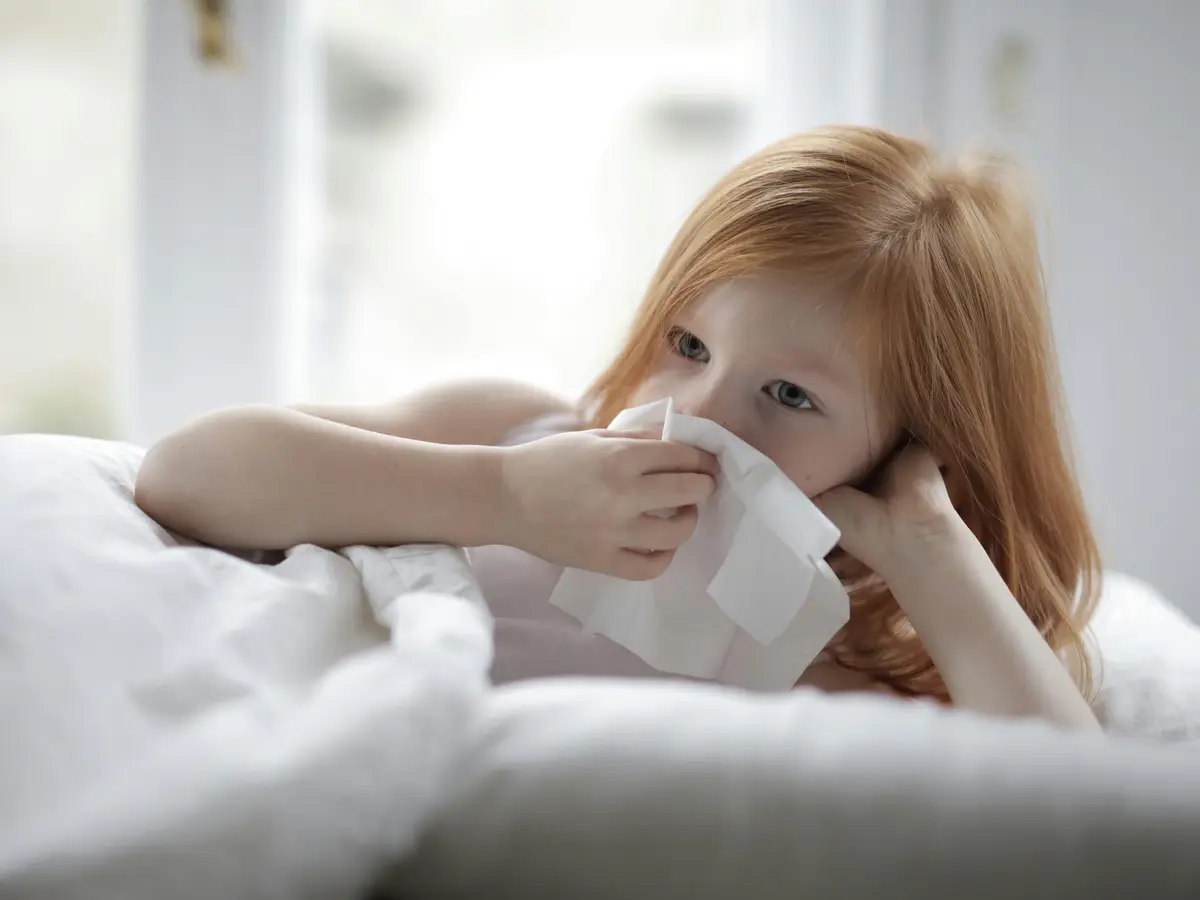
As winter sets in, hospitals across India are witnessing a sharp rise in ear, nose and throat (ENT) infections among children, driven by cold weather, increased indoor crowding and a rise in seasonal viruses. Doctors indicated that children are particularly vulnerable during this period due to developing immune systems and anatomical factors, and stressed the importance of early identification, proper home care and timely medical intervention to prevent complications.
In response to the surge in infections, Dr NVK Mohan, Consultant Otologist, ENT and Cochlear Implant Surgeon at CK Birla Hospitals, CMRI, highlighted the seasonal trend and its impact on children’s health.
“Winter brings a noticeable surge in ENT infections among the population, especially children, largely due tocold weather, increased indoor crowding, poor ventilation, and a higher prevalence of respiratory viruses. Children’s immune systems are still developing, and their narrower nasal passages and shorter wider Eustachian tubes make them more vulnerable to infections of the ear, nose, and throat during this season.Common winter ENT infections in children include colds, and viral fevers which can in turn lead to sinusitis, sore throat, adenoidal and tonsillar infections, ear infections, accompanied by cough. In many mild cases, home management is sufficient. Parents can focus on ensuring adequate rest, warm fluids, steam inhalation, saline nasal drops, and maintaining good hydration. Simple measures such as hand hygiene, covering our coughs and sneezes, keeping the child warm, and avoiding exposure to sick individuals can help speed recovery and prevent recurrence,” Dr. NVK Mohan said.

“However, parents should be alert to warning signs that require prompt medical attention. Persistent fever lasting more than three days, severe ear pain, ear discharge, difficulty swallowing, breathing trouble, repeated vomiting, or a child becoming unusually lethargic or irritable should not be ignored. Nasal symptoms lasting beyond 10 days, worsening facial pain, or hearing difficulties may indicate a bacterial infection or complications that need evaluation by an ENT specialist,” Dr Mohan added.
Dr Mohan further prohibited to used any self-medication with antibiotics as infections resolve on their own. Dr insisted on early medical consultation as it ensures accurate diagnosis, timely treatment, and prevents complications.
“It is important to avoid self-medicating children with antibiotics, as most winter ENT infections are viral and resolve on their own. Inappropriate antibiotic use can lead to resistance and delayed recovery. Early medical consultation ensures accurate diagnosis, timely treatment, and prevents complications such as chronic ear infections or hearing problems. With the right balance of home care and timely medical intervention, most winter ENT infections in children can be managed effectively, keeping them healthy and active through the colder months,” Dr further added.
Winter increases susceptibility to upper respiratory infections in children
Echoing similar concerns, Dr Amit Nahata, Senior Consultant in ENT and Otolaryngology at CK Birla Hospitals, Jaipur, said winter conditions significantly increase susceptibility to upper respiratory infections in children. He noted that cold air, dryness and a spike in viral illnesses make the nasal passages and throat more prone to infection.
“Winter is a peak season for ENT infections in children because cold weather, dry air, and a rise in viral infections make the upper respiratory tract more vulnerable. Children have narrower airways and an immature immune system, which is why conditions such as the common cold, sore throat, sinus infections, tonsillitis, and ear infections are seen more frequently during these months. In many cases, mild ENT infections can be managed at home. Symptoms like a runny or blocked nose, mild sore throat, low-grade fever, occasional cough, and slight ear discomfort usually settle within a few days with adequate rest, warm fluids, steam inhalation, and proper hydration. Parents should also ensure that the child avoids cold exposure, gets enough sleep, and follows basic hygiene measures such as handwashing,” Dr Amit Nahata said.
“However, medical attention becomes necessary when symptoms are severe, persistent, or worsening. Parents should seek medical care if the child has high or prolonged fever, severe ear pain, ear discharge, difficulty swallowing or breathing, persistent vomiting, or if symptoms last beyond 5–7 days without improvement. Recurrent infections, hearing difficulty, or sleep disturbance due to nasal blockage or snoring are also warning signs that require evaluation. Another important concern in winter is the tendency to self-medicate with antibiotics, which should be avoided unless prescribed by a doctor. Most winter ENT infections in children are viral and do not require antibiotics. Timely medical assessment helps differentiate between viral and bacterial infections and prevents complications such as hearing loss, chronic sinusitis, or airway problems. Early recognition of red flags and balanced decision-making between home care and medical intervention can significantly reduce complications and ensure a safe recovery for children during the winter season,” Dr added.
Both doctors cautioned against the misuse of antibiotics, stressing that most winter ENT infections in children are viral and do not require such medication. Unnecessary antibiotic use, they warned, can lead to drug resistance and delayed recovery. They emphasised that recognising warning signs early and balancing home care with timely medical consultation can help children recover safely and avoid long-term complications during the winter months.
link