How to Create an Outdoor Space That Feels Like Home

LA Times Studios may earn commission from purchases made through our links.
Lines have begun to blur between where inside meets out. You step from a living room right onto a patio and almost forget where one ends and the other begins. The kitchen spills out onto a deck, bedrooms kind of slide into gardens, and the air feels different, it feels fresher…like it wants you to stay out there. Creating spaces that make you want to spend time outside, comfortably and stylishly, no matter the season? That’s the overall intent of indoor-outdoor living.
Design that extends your home
Creating continuity between indoor and outdoor spaces is really just about how the space feels and functions, not so much about how it looks. Michael O’Brien, founder of Hommes + Gardens, says: “It’s about continuity. Outdoor moments should feel like extensions of your home.” He often moves interior pieces outdoors, like “a vintage iron table, a chair that’s been sealed and weatherproofed, even a pedestal that once sat in an entryway.”
NEWSLETTER
Discover expert insights, and the latest home and design trends to enhance your space.
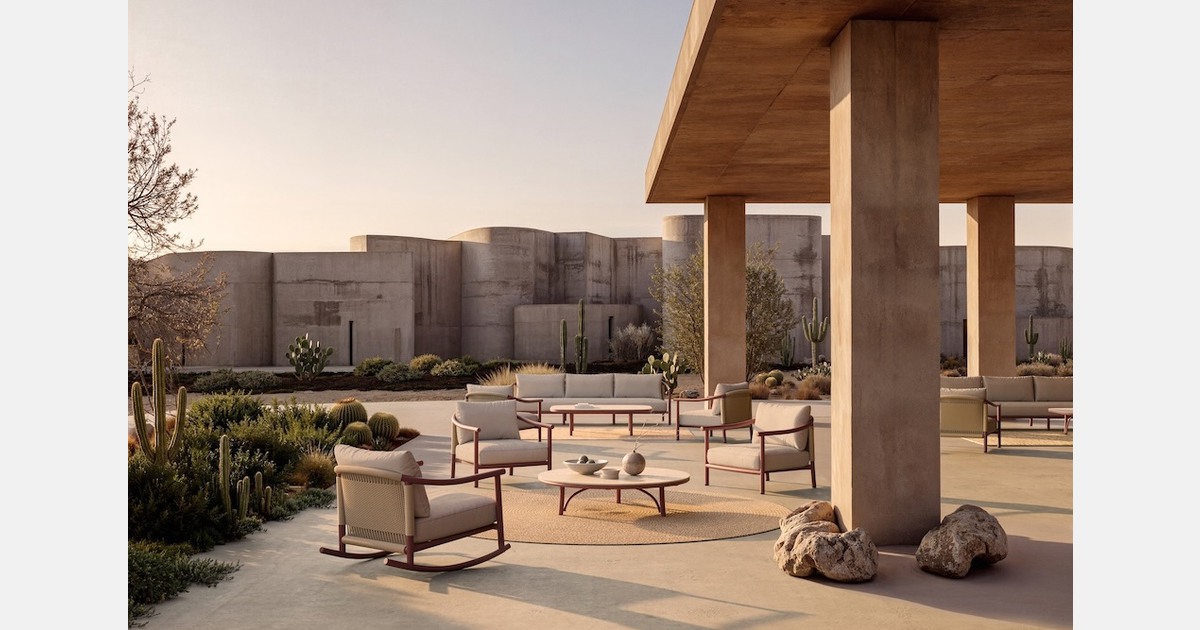
Soft furnishings help too, because comfort is key, according to O’Brien. Loungers and pillows in durable outdoor fabrics “soften the experience and invite people to linger. The plants do their job, but comfort completes the picture. And of course, scent. A pot of mint near a bench, or a citrus tree by the door, adds something intangible and unforgettable,” O’Brien notes.

(Courtesy of Lausaint Home )
Even the smallest of transitions can add to the effect. “When transitioning between zones, I often borrow materials from the house like remnant stone from the interior foyer, and bring them into the garden at key moments. Something as subtle as stepping from gravel onto honed limestone can create a sense of ceremony,” O’Brien explains.
Lighting carries the feeling of continuity through all seasons. “The same intention you bring to an interior lighting scheme should carry into the garden. When done thoughtfully, outdoor lighting should invite you into the garden. I always gravitate toward tones that feel soft, flattering, and atmospheric. Suddenly, your home has gained a room,” O’Brien says. When you include lights in an intentional way within your space, they set a rhythm for how you experience the outdoors. They change the way you notice your home depending on the hour or the season.
Patina and natural weathering give outdoor spaces personality over time. “I’ve definitely made the mistake of putting something outside that didn’t age well — but that’s how you learn. Today, I choose materials that are meant to weather, or I set the expectation that they’ll evolve. A leather strap that fades, a copper sconce that greens. If a piece is delicate, I make sure it has a cover. And if I’m leaving town, it gets brought in. Outdoor living doesn’t mean neglect, but accepting that change is part of the rhythm of nature, the landscape, and the elements.”
The latest on plants and how to grow with style
Scale and functionality matter
The success of seamless indoor-outdoor living also comes down to scale and proportion. O’Brien points to a Craftsman Bungalow in Sunset Square as an example: “It had a generously sized pool in a backyard that felt disconnected from the house. We completely reimagined the property, creating a raised patio with a full pergola, framed in greenery. It now has a full outdoor kitchen, plus distinct zones for lounging and dining. What makes it work is scale. The outdoor living room is just as generous as the one inside. The furniture is substantial, the lighting is layered, and the layout mirrors the rhythm of the home. It doesn’t feel like an ‘add-on.’ It feels like a true second living space — one that encourages people to spend whole days outside.”
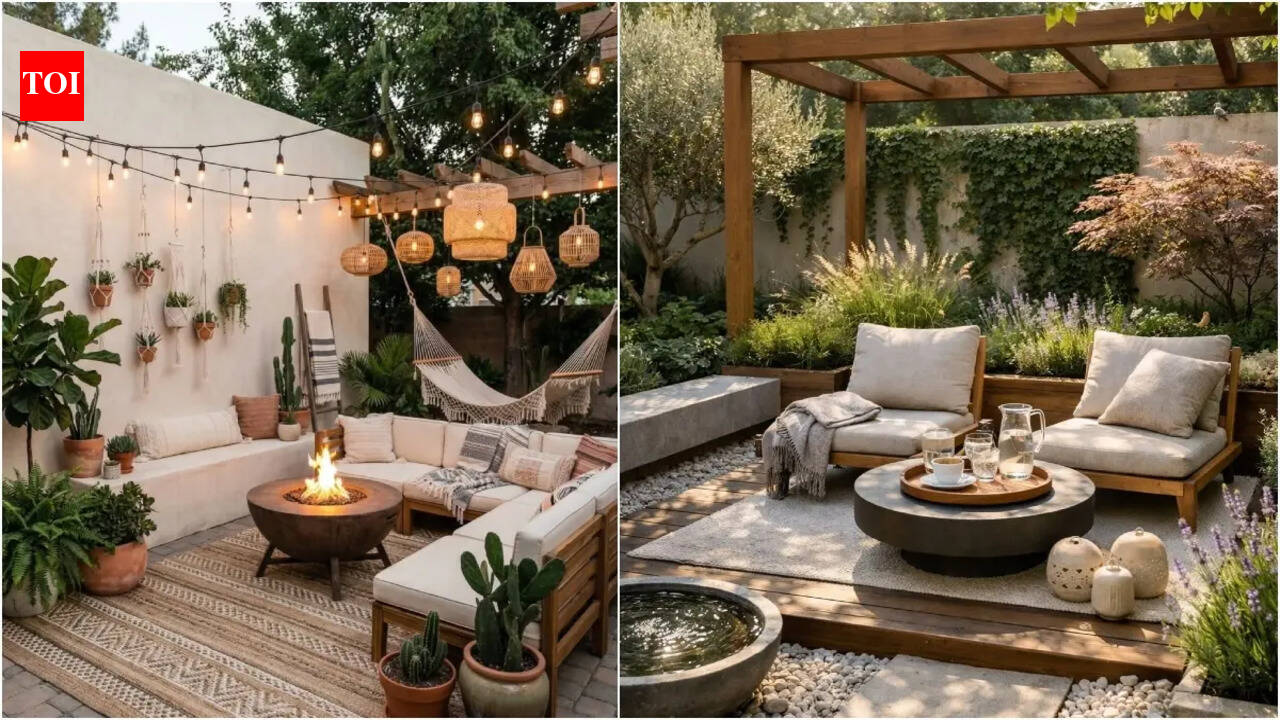
Even a modest outdoor space can feel connected. For those looking for a low-commitment upgrade to their space, O’Brien says, “Build a pergola. It can be minimal or ornate, wood or steel. It can be as simple as setting it in gravel. Choose a vining plant to add to the visual appeal. Anchor it near the house so it becomes an extension of how you live. Suddenly, you’ve created a spot for coffee, for reading, for entertaining. And once it’s there, you’ll start imagining everything else that could grow around it.”
Year-round indoor-outdoor tips
Seamless design works no matter the season. You can tweak outdoor spaces so they feel just right all year long.
In the fall, swap out thin cushions for wool throws, bring in a portable fire pit or propane heater, maybe plant some herbs near the door so the smell drifts inside.

(Courtesy of Holiday Ideas/Amazon )
Winter calls for weatherproof curtains to block the wind, add some lanterns or string lights for warmth, and leave rugs down so the space still feels defined.
Spring is about refreshing container gardens with new blooms, oiling wooden furniture to bring it back to life, and opening folding or sliding doors when the sun comes out so the inside spills outside.

(Courtesy of Sunny Guard )
Summer means linen or performance canvas covers, shade sails to keep the sun off, and a rolling cart stocked for drinks and snacks so the space works for people, not just looks pretty.
Across all these changes, what matters is paying attention to materials that feel right, lighting that layers, furniture that can do more than one thing, and little sensory touches. Smells, textures, and colors? All of these make the space feel alive. Adding handcrafted details, too, like artisan tiles or custom woodworking, can give both indoor and outdoor spaces a personal touch that ties them together. Above all, indoor-outdoor living is about how you actually use the space and how you feel within it, every day.
link